
Could New England's Older Buildings Become the Next AI Data Centers?
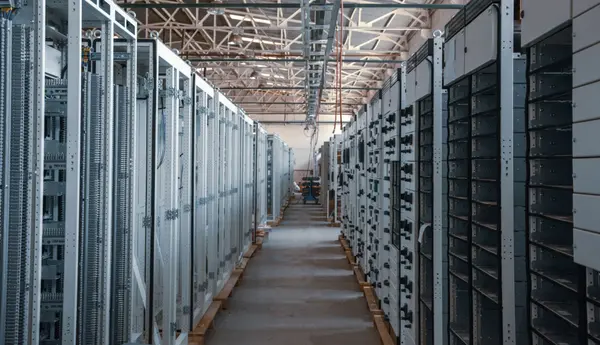
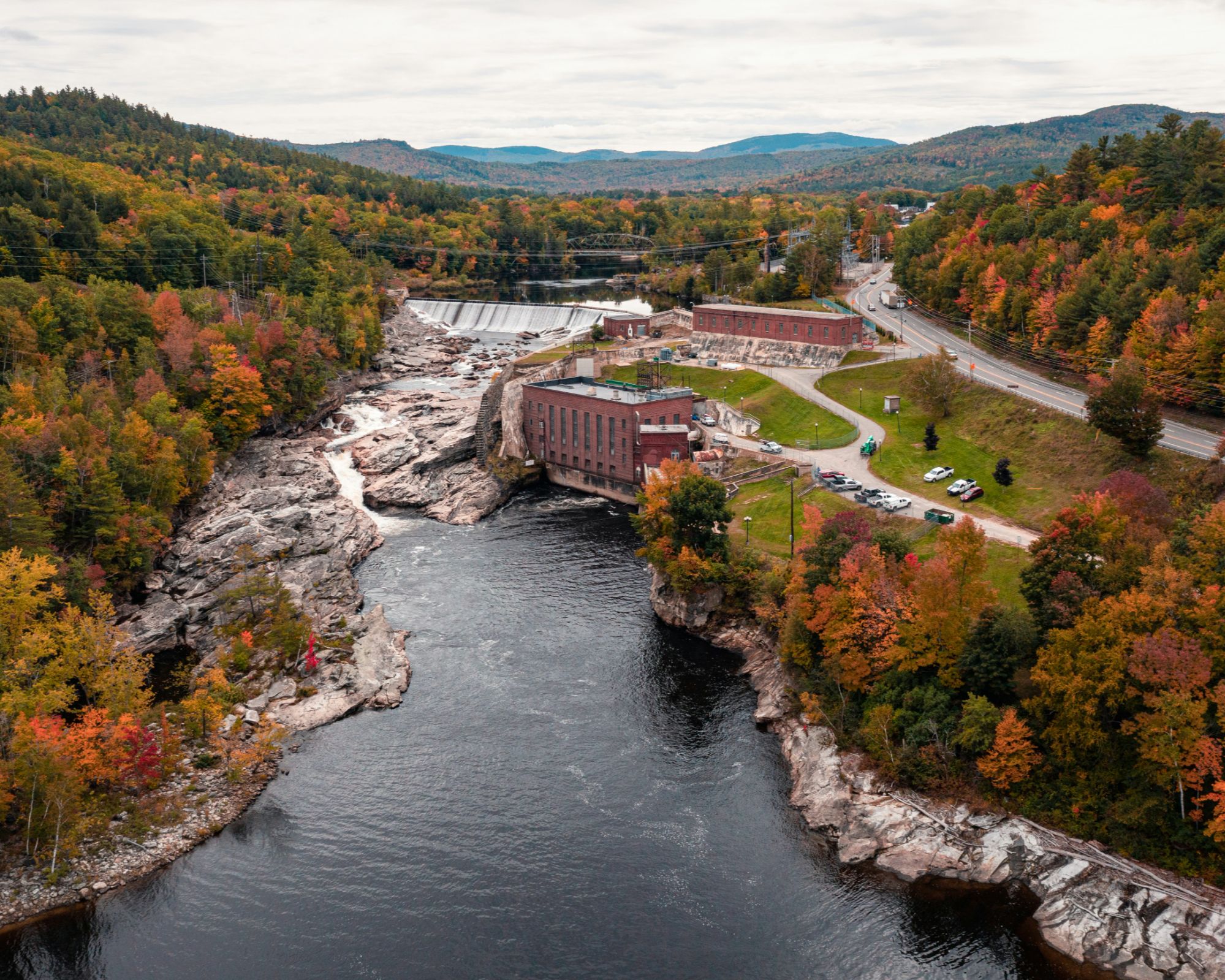 Photo by Abhi Verma on Unsplash
Artificial intelligence is changing more than the way we use technology. It could also change how we use buildings, develop commercial properties, and plan for the future of our communities.
While much of the country is seeing proposals for enormous new AI data centers, New England may be taking a different approach: upgrading buildings and facilities that already exist.
A recent New Hampshire Public Radio report explores how older data centers could be transformed to accommodate AI technology and what that could mean for surrounding communities.
Giving Older Buildings a New Purpose
New England is filled with older commercial and industrial properties, from former manufacturing facilities to office buildings and warehouses.
As technology evolves, some of these properties may present opportunities for redevelopment.
One possibility is converting existing data centers to support artificial intelligence, a process known as retrofitting.
Instead of constructing an entirely new facility, companies can upgrade equipment, cooling systems, and electrical infrastructure within an existing building.
It's an interesting concept, particularly in a region where available land, development costs, and preserving open space are ongoing considerations.
However, not every older building is suitable for conversion. The electrical capacity, structural design, cooling requirements, and local zoning all play important roles.
Why AI Data Centers Are Different
Traditional data centers have been around for decades, storing everything from emails and photographs to financial information.
AI technology requires substantially more computing power.
According to NHPR, the specialized chips used for AI computing can consume two to three times more energy than the conventional processors used in many older facilities.
That increased demand creates challenges involving electricity, cooling, and infrastructure.
Even when a building's exterior remains unchanged, significant upgrades may be happening inside.
A Real Example in New England
In Trumbull, Connecticut, an existing data center is being considered for an AI-related upgrade.
The proposal would modernize the facility's technology without initially expanding its physical footprint.
While town officials have indicated that the proposed changes would not increase electricity or water consumption, some residents remain concerned about the possibility of future expansion.
It's an example of the questions communities may face as technology continues to evolve.
How much oversight should be required when an existing commercial property changes its operations? And how can towns encourage investment while protecting surrounding neighborhoods?
What Could This Mean for New Hampshire and Northern Massachusetts?
Although the NHPR article focuses on a Connecticut example, the broader conversation is relevant throughout our region.
Communities such as Nashua, Manchester, Lowell, and Chelmsford have a history of commercial and industrial development. As older properties evolve, redevelopment opportunities can raise important questions about land use and infrastructure.
For local communities, potential benefits of repurposing existing buildings could include:
-
Revitalizing underused properties: Giving older commercial buildings a productive new purpose.
-
Preserving open space: Reducing the need for some new construction on undeveloped land.
-
Supporting local economies: Creating opportunities for construction, electrical, mechanical, and technology-related businesses.
-
Expanding the commercial tax base: Potentially generating additional municipal revenue.
But there are considerations, too.
Data centers can place significant demands on electrical infrastructure, require specialized cooling equipment, and generate noise from mechanical systems or backup generators.
The impact of any project depends on the property, the proposed use, and the infrastructure available.
Why Local Planning Matters
For homeowners and prospective buyers, understanding what's happening in their community goes beyond following residential real estate trends.
Commercial development, zoning decisions, infrastructure improvements, and changes in land use can all influence how a town grows.
In New Hampshire, residents can follow proposed projects through their local planning boards and municipal websites.
For those interested in staying informed, the following resources are helpful:
Attending planning board meetings, reviewing public notices, and asking questions about proposed development are practical ways to stay connected to decisions affecting your community.
Balancing Progress With Community Character
New Hampshire and Massachusetts have long histories of adapting older buildings for new purposes.
From historic mills transformed into apartments and offices to former industrial spaces finding new life, redevelopment is already part of our region's story.
AI data centers could represent another chapter.
The challenge will be finding the right balance between technological progress, economic opportunity, infrastructure needs, and the qualities that make our communities desirable places to live.
Whether you're a homeowner, business owner, or simply someone interested in the future of New England, it's a conversation worth following.
Read the Original NHPR Report
For a closer look at how existing data centers could be adapted for artificial intelligence, read:
NHPR: New England's Old Buildings and Old Data Centers Could Be Upgraded to Handle AI Computing
As our communities continue to grow and evolve, staying informed about development is one of the best ways to understand the changing landscape of the places we call home.
Source: New Hampshire Public Radio, October 23, 2026. Reporting by Áine Pennello of Connecticut Public Radio, as part of the New England News Collaborative's "Awaiting Data" series. Additional local real estate and community-development context provided for New Hampshire and Massachusetts readers.
Categories
Recent Posts